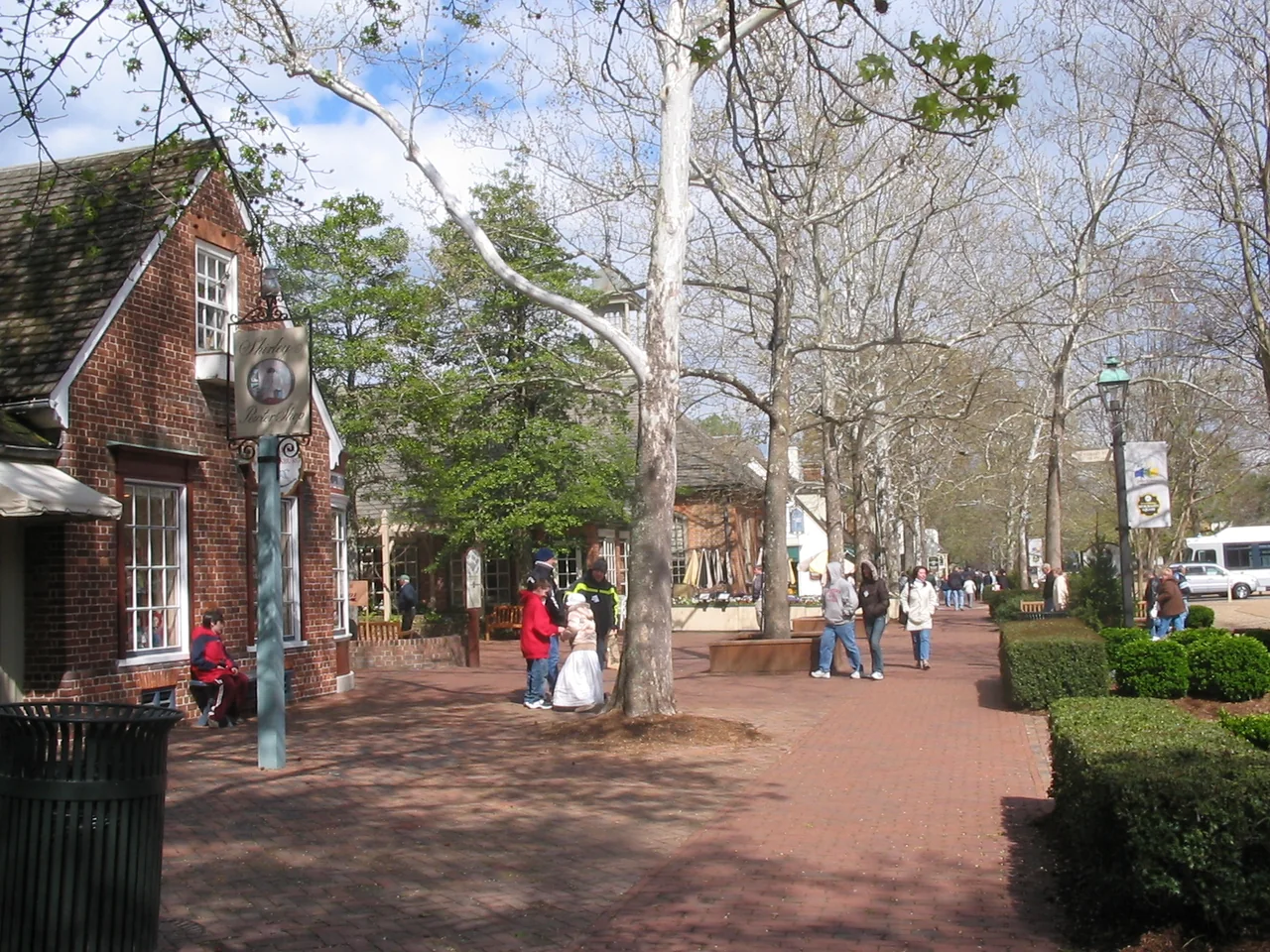
Merchants Square is useful partly because it offers a different pace from a focused museum visit. Its pedestrian setting, brick buildings, shops and dining places sit beside the Historic Area, making it a natural place to pause and reconsider the rest of the day. The pleasure is not limited to a particular restaurant reservation.
Treat the square as a place, not a shortcut
The official destination organization describes Merchants Square as a setting for shopping, dining and artful events, with courtyard spaces and a mix of architectural influences. Its historic appearance includes twentieth-century interpretation of earlier styles. That distinction matters: you are looking at a place shaped over time, not simply an untouched eighteenth-century shopping street.

Exclusive Private Colonial Williamsburg Walking Tour by a Local
Let's go back in time together! Join your licensed guide on this fun, engaging walking tour of Colonial Williamsburg. See the major historic sights...

Colonial Williamsburg Original Ghost Walk Classic Tour
KIDS 12 AND UNDER FREE Meet at THE PRECIOUS GEM in Merchants Square Explore the haunted streets of Colonial Williamsburg by Lantern light on the Orig...
Walk a little before deciding where to stop. Notice the relationship between the main pedestrian route, smaller courtyards and individual businesses. This gives you a better sense of the setting and helps prevent the first available table from becoming the only option you consider.
Choose the kind of break you need
A quick drink and a longer sit-down meal solve different problems. After a concentrated historic visit, a quieter table may be more useful than another busy attraction. On a flexible day, browsing a shop or finding a courtyard can be enough to reset the pace before you continue.
- For a brief pause, prioritize a comfortable place to sit and the next part of your route.
- For a longer meal, check the current menu, booking arrangements and dietary information directly with the venue.
- For a group, agree whether the priority is food, a rest or time for people to explore separately.
Do not infer current opening hours or menu choices from an older photograph or guide. Shops change, and a well-known location does not guarantee that a particular business is open at the moment you arrive. The venue itself is the best source for current arrangements.
Keep the meal connected to the day
It can be tempting to plan a meal as an isolated recommendation, then discover that it sits awkwardly between two activities. A more useful approach is to decide how long you want to pause and where you need to be afterward. That also makes it easier to choose a different option if weather, appetite or energy changes.
A trades-focused visit pairs well with this slower interval because it gives a conversation room to continue. You might leave a printing demonstration still thinking about the process, or return from an interpretive program with questions you want to read about. A break is part of understanding a place, not necessarily time taken away from sightseeing.
Look for contemporary Williamsburg too
The city has an active public-art program and a cultural life that extends beyond the historic presentation. Leave room for that present tense. A gallery, a local event or an ordinary street scene should not have to look colonial to belong in a Williamsburg trip.
When photographing daily life, avoid treating residents and workers as props. Be attentive around café tables and shop interiors, respect requests about photography, and ask before making a person the main subject of an image. A photograph can show the atmosphere without implying that a business or individual endorses a travel guide.
A simple way to use the area
- Finish one substantial historic activity before your meal break.
- Take a short look around the square to get a sense of the available settings.
- Check practical requirements directly with your chosen venue.
- Leave the afternoon flexible enough for a walk, a second topic or a return to your accommodation.
Our first-visit guide connects this pause with the wider city. For an itinerary with more time outside, consider the separate excursion described in the York River State Park guide. The aim is a day whose different parts fit together.
Research sources

Murder, Mayhem, and Scandal: 1-hour Historical Character Tour
*FOR MATURE AUDIENCES ONLY-AGES 17 +* During this one-hour walking tour, hear the darker side of 18th-Century Willi...

Presidents, Plantations & the James-Private Virginia History Tour
This is my favorite tour - I pick up from your Williamsburg hotel to visit Berkeley, Westover and Sherwood Forest Pl...

Colonial Williamsburg Admission
The Revolution is Here! Immerse yourself in the revolutionary stories of American history. With over 300 acres of ic...
Exclusive Private Colonial Williamsburg Walking Tour by a Local
Let's go back in time together! Join your licensed guide on this fun, engaging walking tour of Colonial Williamsburg. See the major historic sights...
Colonial Williamsburg Original Ghost Walk Classic Tour
KIDS 12 AND UNDER FREE Meet at THE PRECIOUS GEM in Merchants Square Explore the haunted streets of Colonial William...
Visit Williamsburg’s Merchants Square overview and the City of Williamsburg Public Art Council. Use individual venues for current dining and access information.