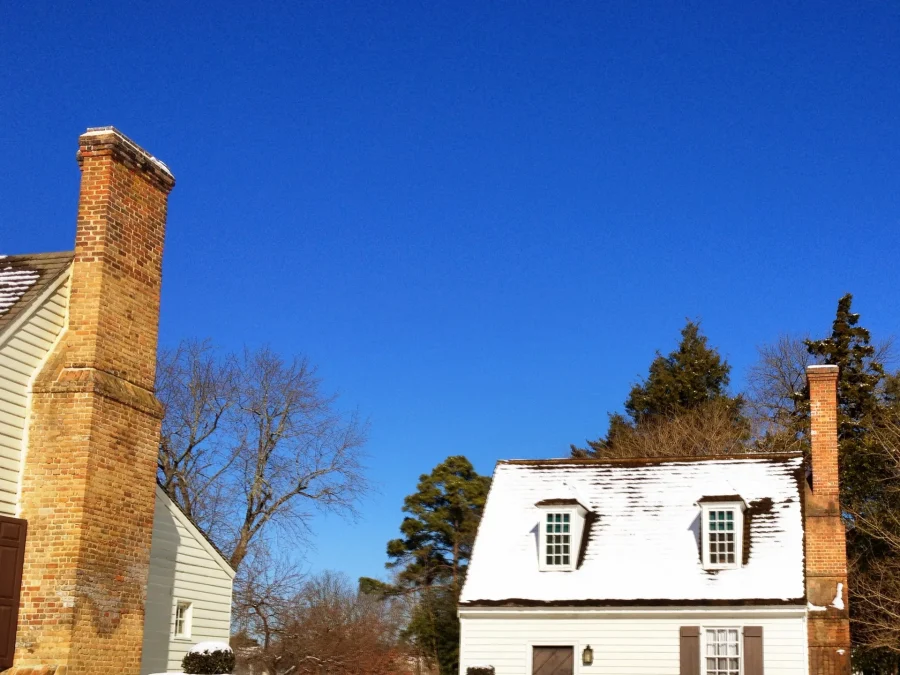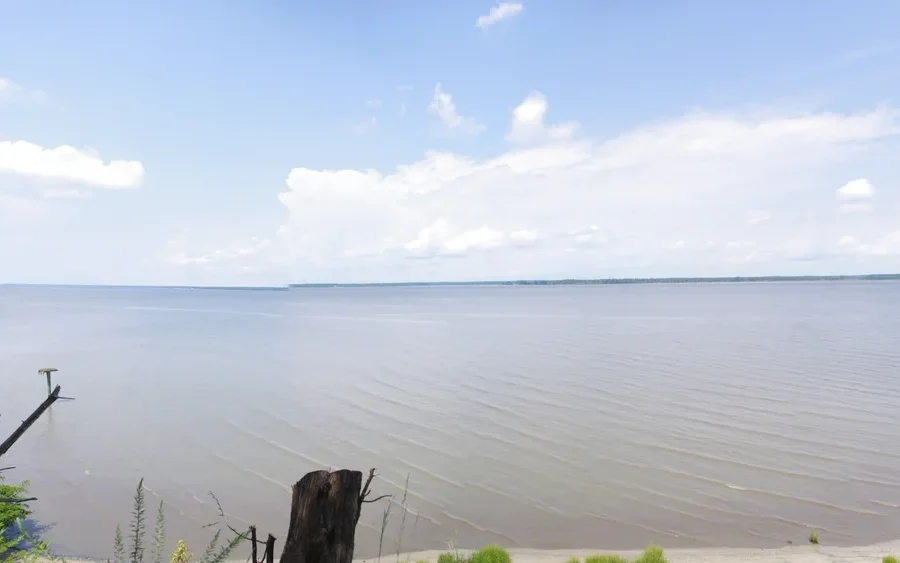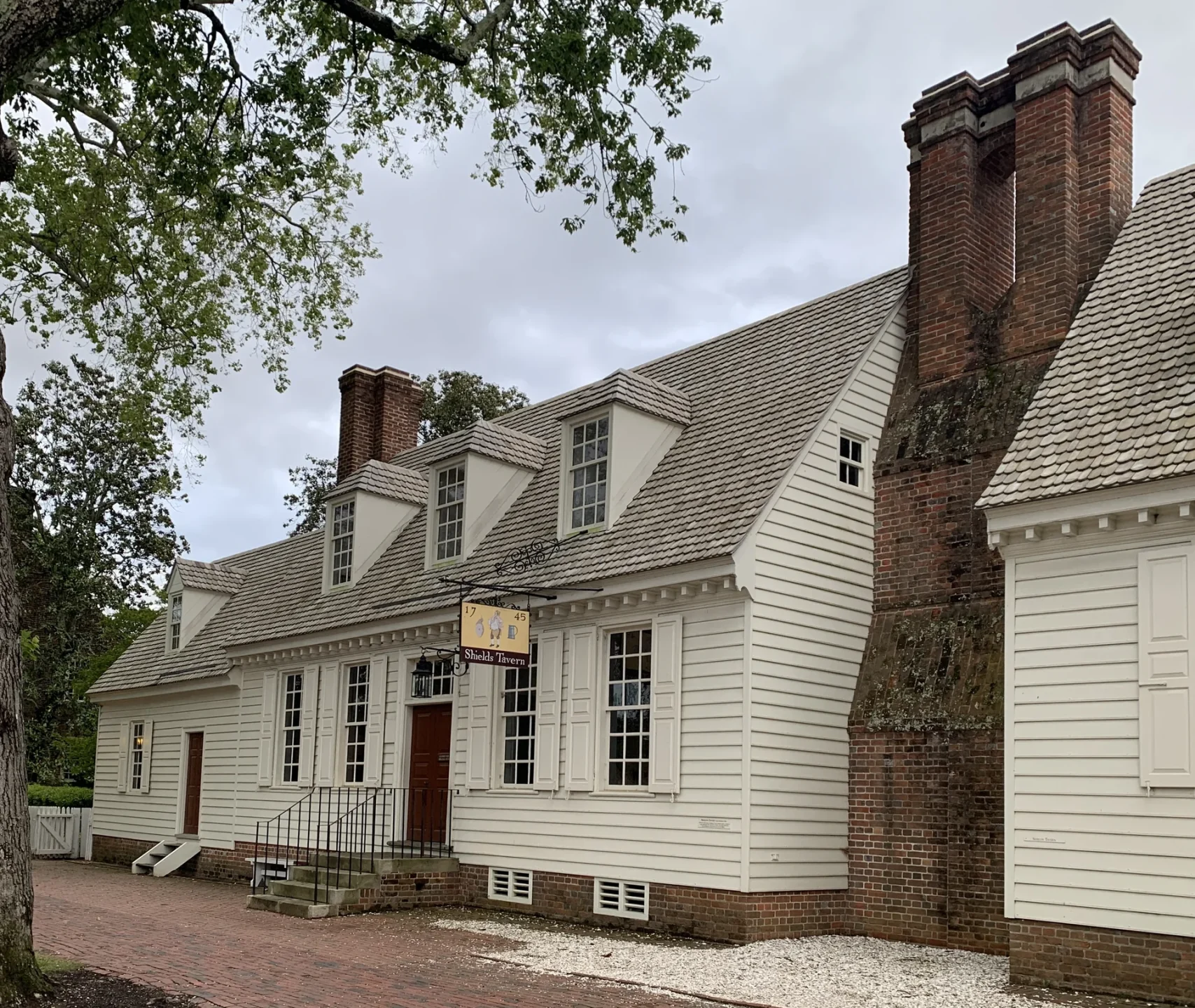
Williamsburg makes more sense when you begin with a simple distinction: the city is a living place, and Colonial Williamsburg is a major historic area and museum within it. Nearby Jamestown and Yorktown add other chapters to a regional visit. They are not interchangeable names for the same attraction. A good first day leaves space to understand one place before trying to cover all three.
Start with the shape of the city
Duke of Gloucester Street gives a visit to the Historic Area a useful orientation. The street, adjoining lanes and individual buildings invite a slower pace than a drive past a collection of monuments. Look for the relationship between the public street and the places with their own admission arrangements. Before entering a building or joining a program, check the current requirements with the organization that runs it.

Step in Time Inside Historic Buildings of Colonial Williamsburg
Journey into the heart of 18th-century America with our immersive Three-Hour Colonial Williamsburg History Walking Tour. Explore the buildings that c...
Keep the day’s main purpose modest. You might want to understand a working trade, follow an interpretive theme or simply become comfortable with the layout. Choosing one of those priorities helps you decide when to stop and listen instead of moving on because another building is on a list.
Choose a focus, then a pause
The historic trades offer a particularly clear reason to spend time in one place. Printers, for example, demonstrate the work of setting type and using reproduction presses. The point is not only to see an old tool. It is to understand a process, the skills behind it and the role of printed information in the period being interpreted.
- Choose one main historic interest.
- A trade or material that you want to understand.
- A specific person, institution or historical question.
- Choose one comfortable place to pause for food or a drink.
- Leave the final part of the day flexible rather than booking every interval.
Merchants Square provides a useful change of pace beside the Historic Area. Its shops, courtyards and dining places belong to everyday Williamsburg as well as the visitor experience. A meal or an unhurried look around can be a proper part of the day, not merely a gap between attractions.
Give difficult histories their own attention
Williamsburg’s past includes enslavement, unequal rights and the lives of free and enslaved Black people. It also includes the presence and influence of Indigenous peoples. A careful visit should allow those histories to complicate a simple story of colonial charm. Use interpretation that names the people and circumstances involved, and distinguish a present-day interpreter from the historical person or activity being represented.

The restored Bray School is one example of a place where a small building opens a much larger subject. Its interpretation addresses education, religion and race, including the experiences of enslaved and free Black children. Read the context around a room or object instead of treating the interior as a decorative period scene.
Keep the Historic Triangle distinct
| Place | Useful focus | Planning approach |
|---|---|---|
| Williamsburg | Historic streets, working trades and the city’s present-day life | Allow time on foot and leave room for interpretation. |
| Jamestown | Early settlement, archaeology and distinct museum experiences | Identify the exact institution you intend to visit. |
| Yorktown | Revolutionary history and a separate waterfront town | Treat it as a deliberate excursion, not an incidental Williamsburg stop. |
These places can work together across a longer stay, but combining them should be a choice about your interests, transport and energy. A first visit does not need to prove that you saw everything.
Finish with a practical next step
- Read current admission and access information from the site you plan to visit.
- Check the meeting point and walking demands of any booked experience.
- Choose a realistic meal break and a weather alternative.
- Keep one part of the itinerary unassigned.
For a more focused historic visit, continue with the printing and trades guide. For the day’s slower interval, use our Merchants Square guide. You can also compare Williamsburg tours without treating a booking as a requirement for enjoying the city.

Yorktown Battlefield Self-Guided Driving Audio Tour
Discover the rich history of Yorktown with this self-guided driving tour. From the scenic waterfront to the battlefi...

Jamestown Settlement American Revolution Museum 7-Day Ticket
Visit Jamestown Settlement and the American Revolution Museum at Yorktown and immerse yourself in American Colonial...

Colonial Contradictions Self Guided Walking Tour of Williamsburg
Step into the heart of Colonial Williamsburg on this self-guided walking tour that goes beyond the costumes and reen...
Research sources

Guided Colonial Christmas Tour in Williamsburg
Our Christmas tour stands out from the rest! You will be taken back in time by your very own 18th century authentic...

Colonial Williamsburg Original Ghost Walk Classic Tour
KIDS 12 AND UNDER FREE Meet at THE PRECIOUS GEM in Merchants Square Explore the haunted streets of Colonial William...

Echoes of Twilight Late Night Ultimate Ghost Tour of Williamsburg
Dare to uncover the chilling secrets of Colonial Williamsburg on our spine-tingling ghost tour by US Ghost Adventure...
Step in Time Inside Historic Buildings of Colonial Williamsburg
Journey into the heart of 18th-century America with our immersive Three-Hour Colonial Williamsburg History Walking Tour. Explore the buildings that c...
Colonial Williamsburg Historic Area, Williamsburg Bray School and the National Park Service’s Colonial National Historical Park. Check those organizations for current visitor arrangements.